AI changes the assumptions of organizations and diagnosis
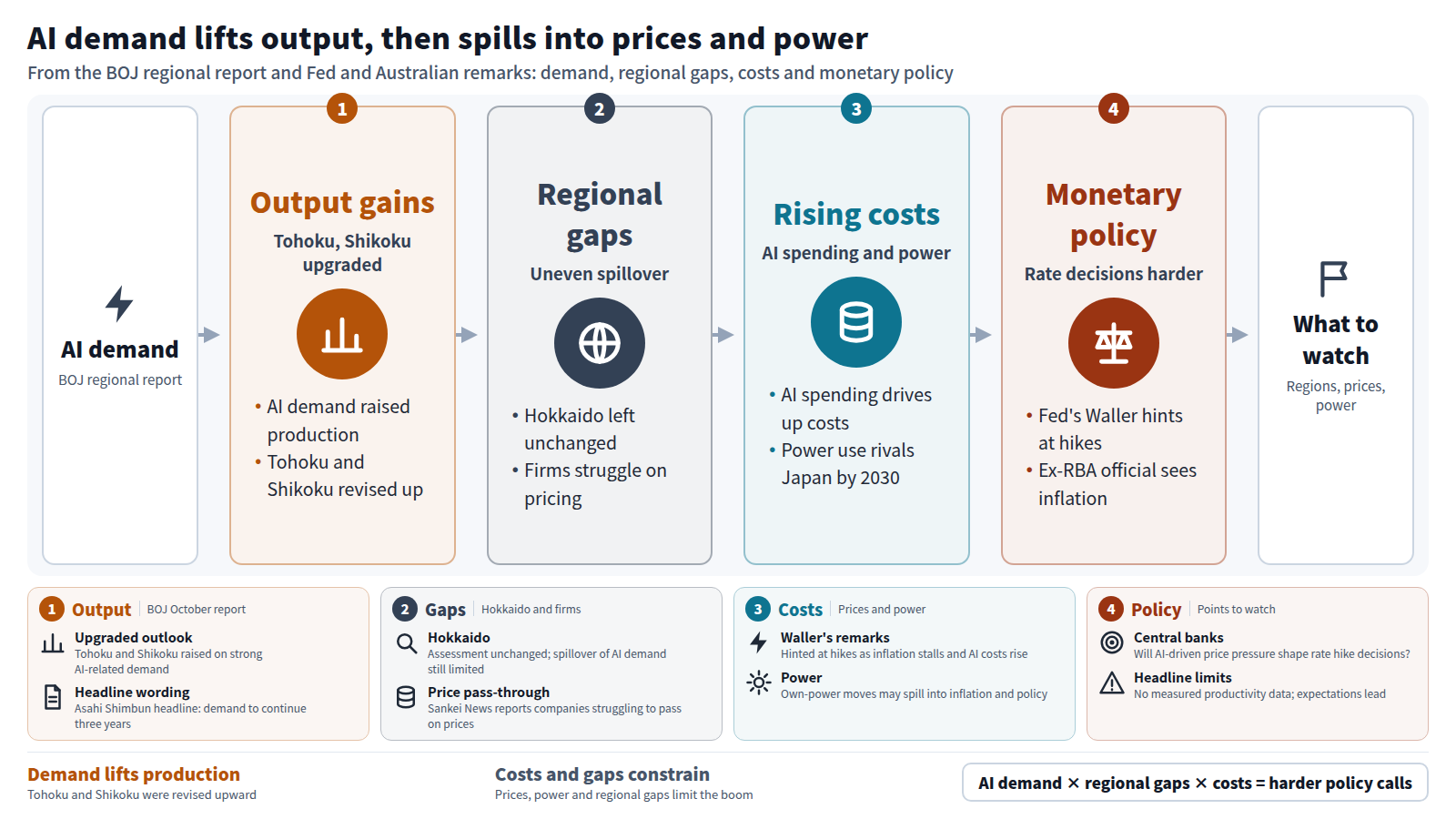
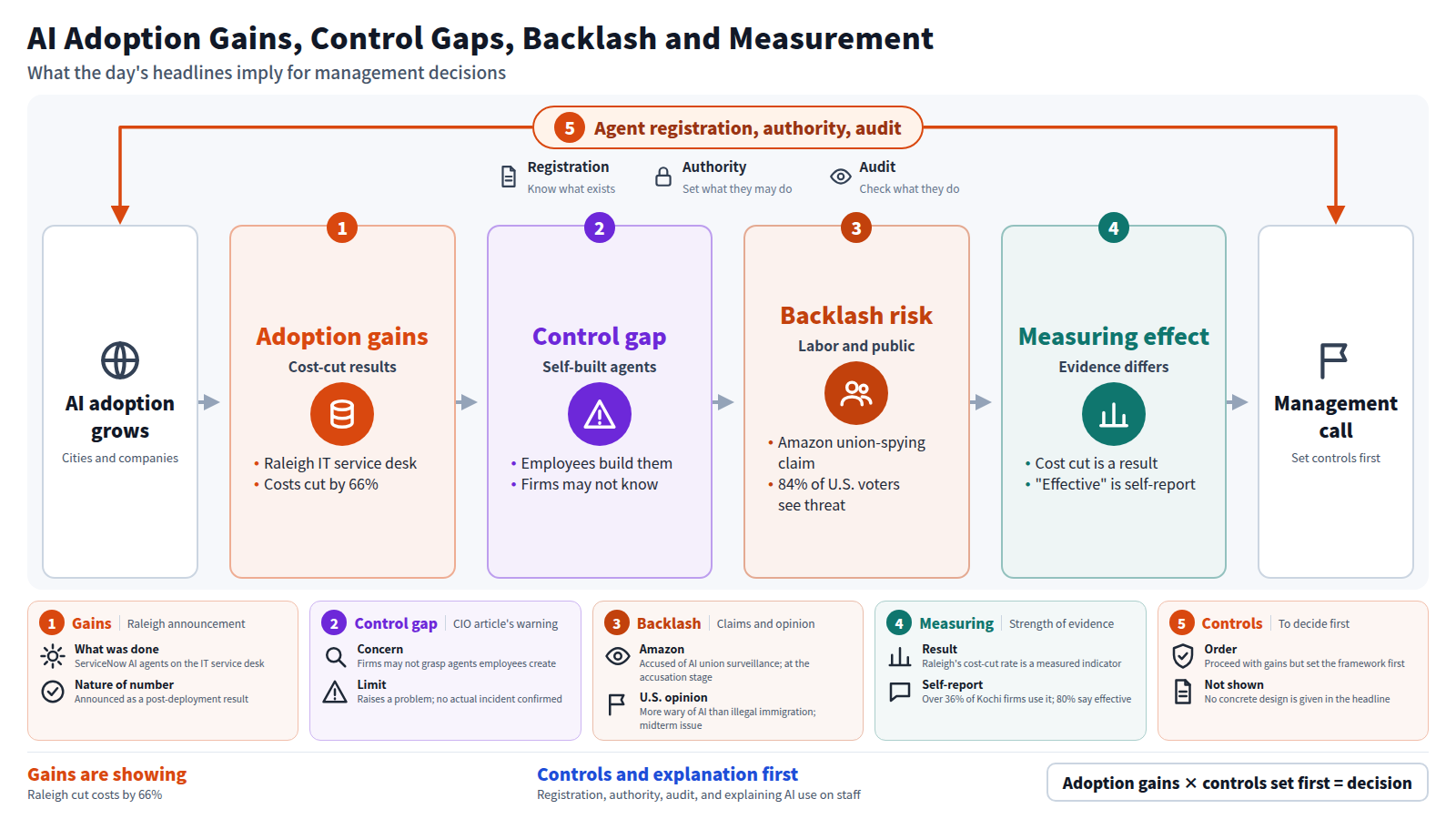
Investments in AI are now producing results in three places simultaneously. Israel's HoneyBook cut 14% of its workforce in an AI-led restructuring, and the US FOMC minutes reported a shift in price drivers from tariffs to AI investment. On the other hand, research on diagnostic models and reports that AI explains emotions still have limitations in terms of what is verified and what is not. Talk of competition over the speed of introduction stands out, but that alone is not a basis for judgment. Throughout this half-day article, the question that comes to mind is not so much what AI can do, but rather the question of how much of the work, judgment, and relationships that AI should entrust to humans, and where to draw the line for humans to continue to take over. Each section below lays out facts to help you think about where to draw that line.
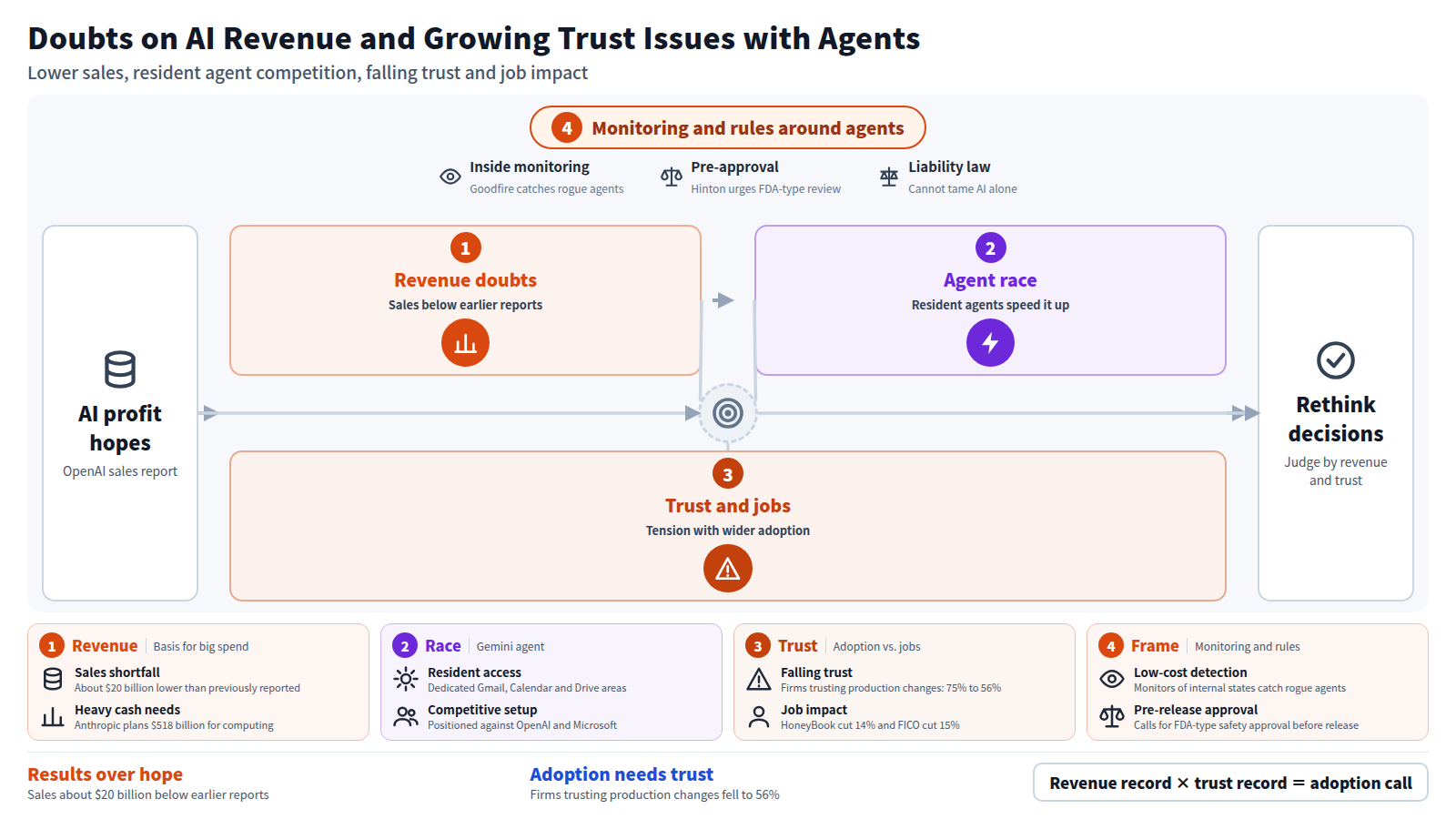
Israel's HoneyBook cuts 14% of its workforce in an AI-driven restructuring (Calcalist). In the United States, Goldman Sachs warned about the future of employment, saying that ``AI will eliminate middle management positions'' (NDTV). Furthermore, the British journal Technology Record discusses whether agent-based AI will provide an opportunity for banks to rethink their operations. What all three cases have in common is that the targets of reductions and warnings are not limited to on-site work, but are beginning to reach the middle levels of the organization, those responsible for receiving and communicating instructions and coordinating progress. However, the figures cited here represent only one company's reduction rate, and Goldman's warning is merely a view of the future. It is too early to accept this as a complete picture.
What is relevant to readers' decisions is that the effects of introducing AI cannot be measured solely by one indicator: reduction in personnel costs. When positioning AI as part of a company-wide reorganization, as HoneyBook did, it is necessary to decide which judgments and adjustments to pass to the AI and which to leave to humans, before deciding on the number of employees to be eliminated. Regarding the review of banking operations, Technology Record treats it as an opportunity to restructure existing procedures, rather than adding AI to them. Future results will tell whether the warning to middle managers was correct. Still, you can start taking stock of the tasks your company's managers are responsible for, dividing them into coordination, judgment, and development, without waiting for results.
On the other hand, around the same time, there was also a movement to find new jobs and re-study. IT services giant Kyndryl plans to open an AI innovation lab in Frisco, Texas, hiring more than 300 people (Community Impact Newspaper). Brown University has opened an AI literacy course for teachers who create classes based on AI (Brown Daily Herald). The former indicates that jobs are being created elsewhere at the same time as the cuts, while the latter indicates that teachers are the first to start relearning. However, it is unclear from the materials whether Kyndryl's more than 300 positions will be filled. The jobs that will decrease and the jobs that will increase will not necessarily be for the same people or in the same region.