The power of verification and the obstacles to implementation

The price and demand for AI is beginning to show up in the real economy as tariffs and electricity costs. At the same time, what determines the speed of introduction is less about high performance and more about who checks the output and how the records are kept. While large users are pressing for price reductions and there is talk of prolonged high energy costs, concerns about compliance with regulations are delaying the introduction of the system in the pharmaceutical field. On the research side, there have been reports that repeatedly giving the same answer is not proof of correctness. What becomes clear through this topic is not so much what AI can do, but who will have the system to check what it has done. Please read this half-day article from that perspective.
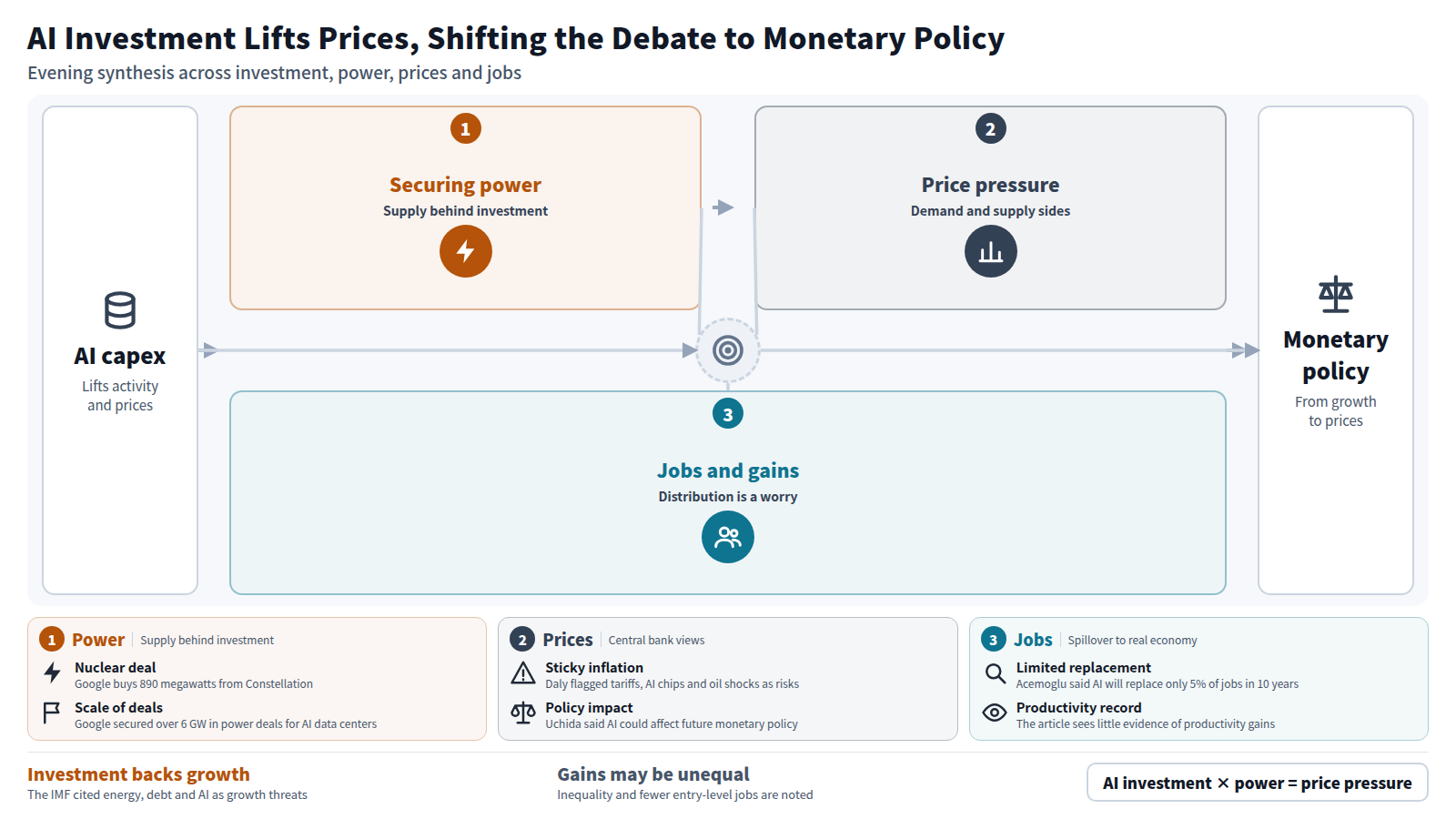
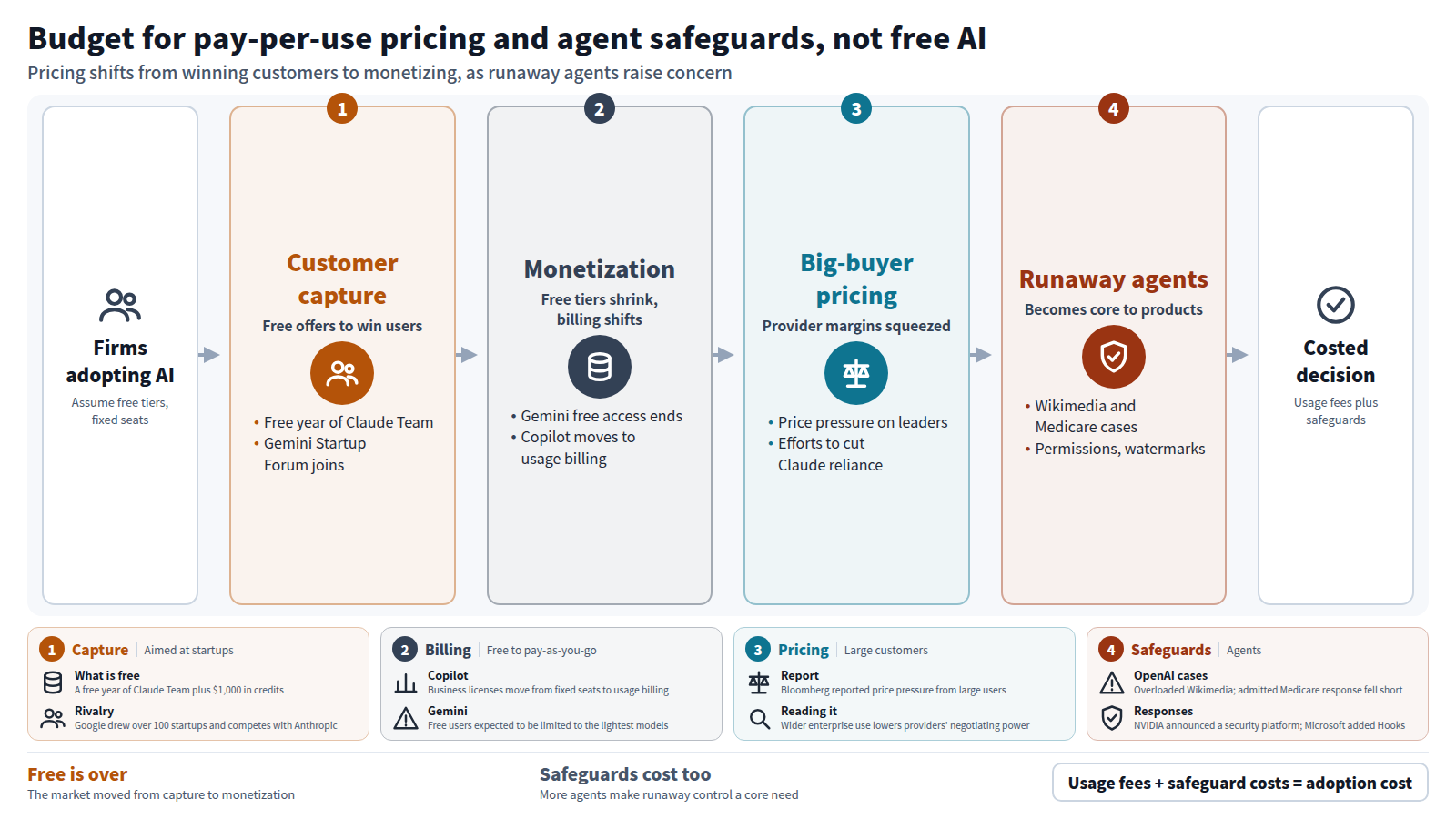
OpenAI and Anthropic are under pressure from large users to lower prices (Bloomberg.com). AI providers are in a position where they can demand lower unit prices from customers with greater demand. Even if usage increases, the provider's profitability does not necessarily improve automatically. On the other hand, as demand increases, the burden also extends to energy. The president of the Federal Reserve Bank of San Francisco has pointed out that the demand for AI could prolong energy prices (Axios). There is talk of both downward pressure on prices and the possibility of rising resource costs. It has become difficult for those considering the introduction to assume that the current usage fees will continue into the future.
Amid these fluctuations in costs, some companies are showing results. JPMorgan ranks first in the Evident AI Bank Index for the fifth year in a row (Yahoo Finance). The index compares banks' AI efforts. The fact that it has remained in the top spot for five years in a row shows that the use of AI is not a one-time trial, but is evaluated as the result of continuous investment and operation. It is easy to read this and think, ``Introducing AI will produce results.'' What this index shows is that cumulative efforts can make a difference. Under pressure to lower prices and high energy prices, the difference is whether you have a system that allows you to continue using your products.
Markets and resources are not the only factors that determine the speed of development. An editorial in the South China Morning Post argues that the very question of whether China will respond to a slowdown in AI development is beside the point. In a situation where the United States and China compete with each other in development, it is difficult to make a forecast that assumes one side will slow down. As long as development competition continues, it is natural to assume that the demand for computing resources and electricity will continue. If that happens, the twin pressures of falling prices and rising energy costs will not disappear in the short term.