Introduction progresses, but verification cannot keep up
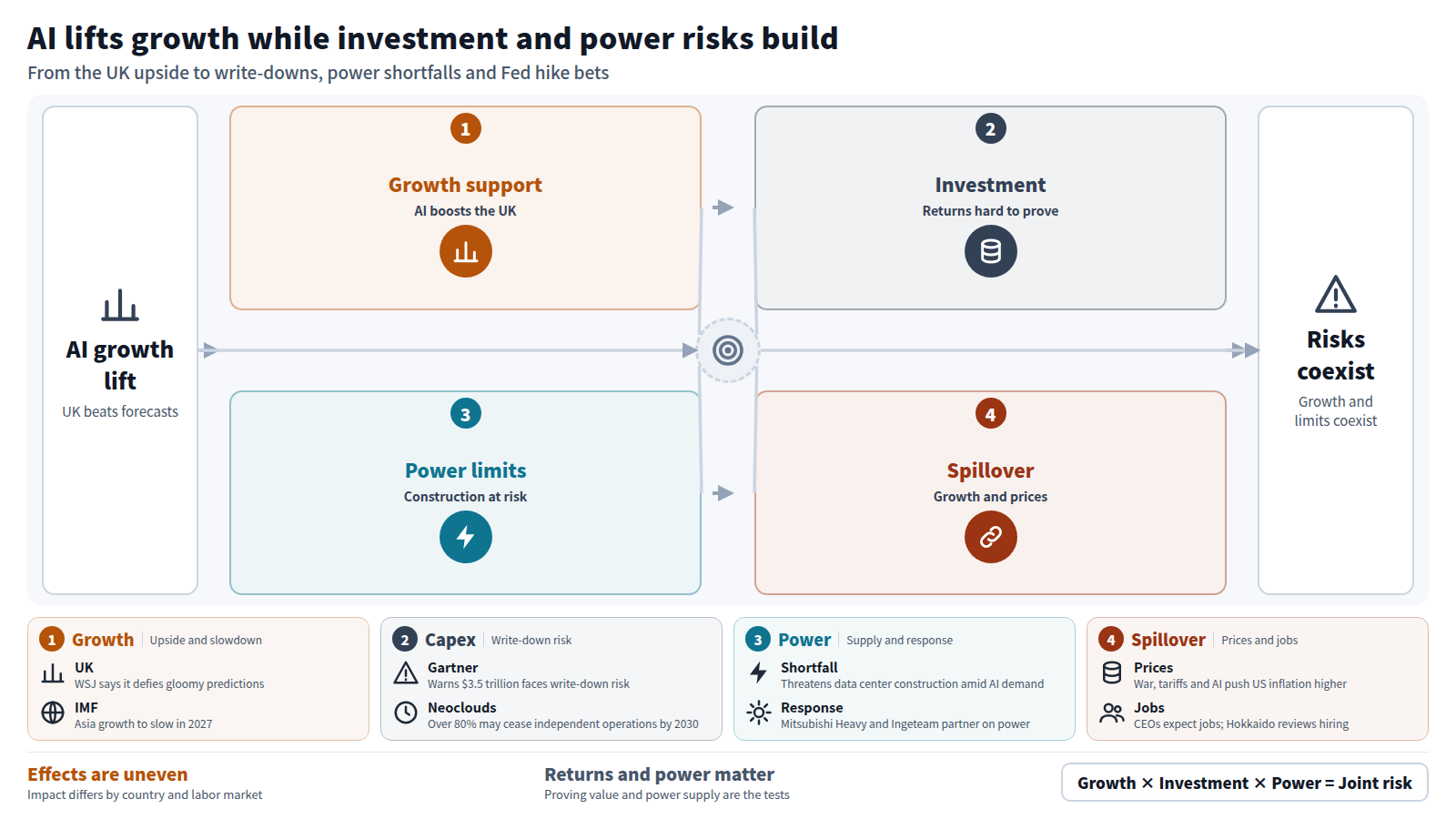
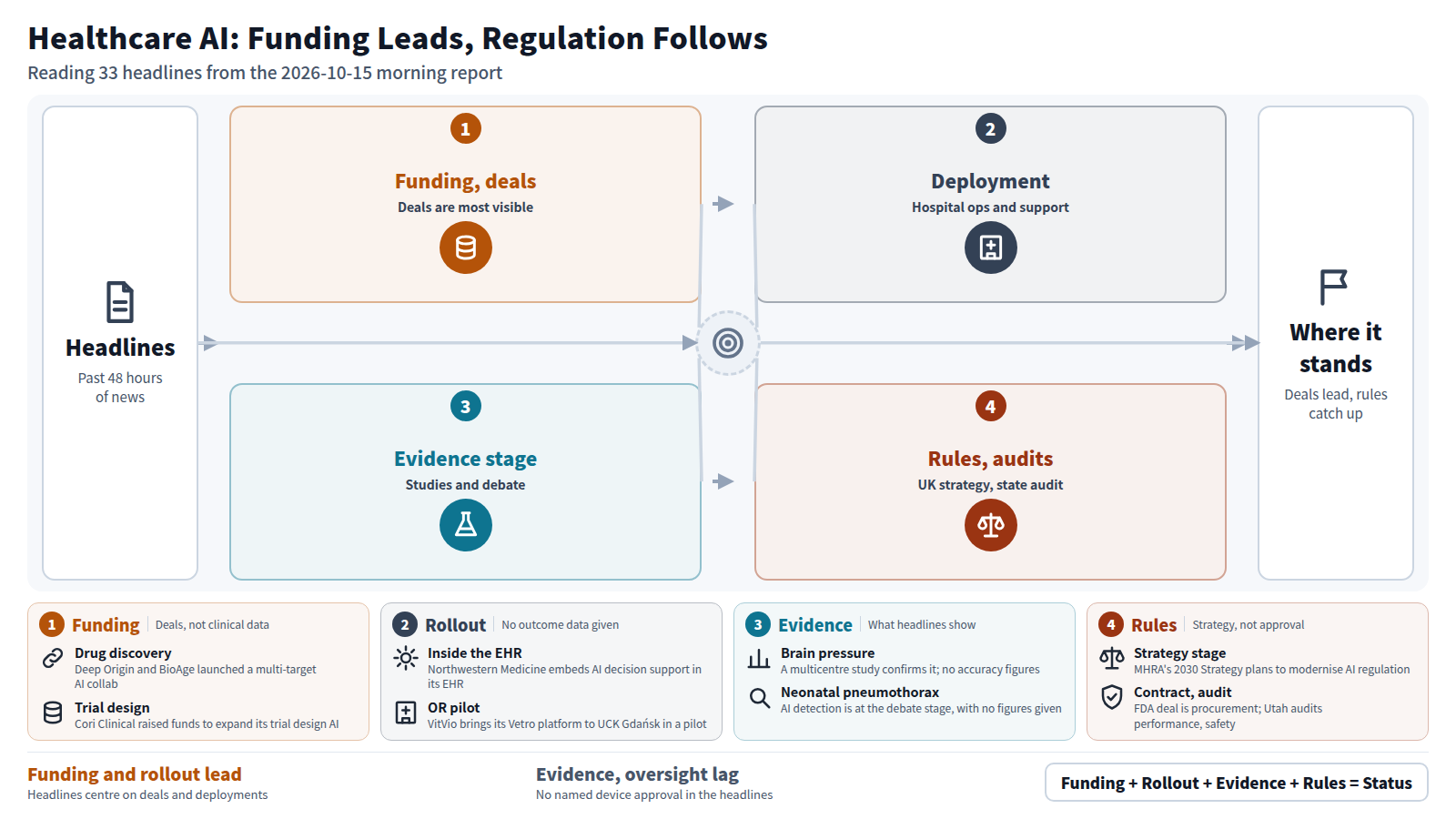
HubSpot will cut about 7% of its workforce as part of a reorganization, and UK ministers have said the staff turnover will involve AI. Meanwhile, pharmaceutical labs and agricultural tractors are starting to ship AI as part of their contracts and equipment. The developments reported in the last half-day indicate that AI has entered the stage of actually driving the allocation of personnel and capital across industries and countries. However, the procedures for checking what decisions the output can be used for and the establishment of an entity responsible for the results have not kept up with the speed of introduction. The controversy surrounding the detection of neonatal pneumothorax has shown that high accuracy does not directly translate into clinical significance. It is not enough to simply list what AI can do; the focus of future reading will be to look at who confirms what and how.
HubSpot has cut about 7% of its workforce as part of an AI-centered reorganization (Yahoo Finance). British ministers have said AI has been implicated in staff turnover and job cuts in recent months (London Evening Standard). Wall Street banks are reportedly facing growing risks in both AI lending and AI implementation (Reuters). Although the three reports cover different industries and countries, they overlap in that the introduction of AI actually changes the allocation of personnel and funds. We have passed the stage where we can only talk about the effects of the introduction in terms of ``productivity,'' and it is now necessary to look at whose work and whose funds were used to pay for it.
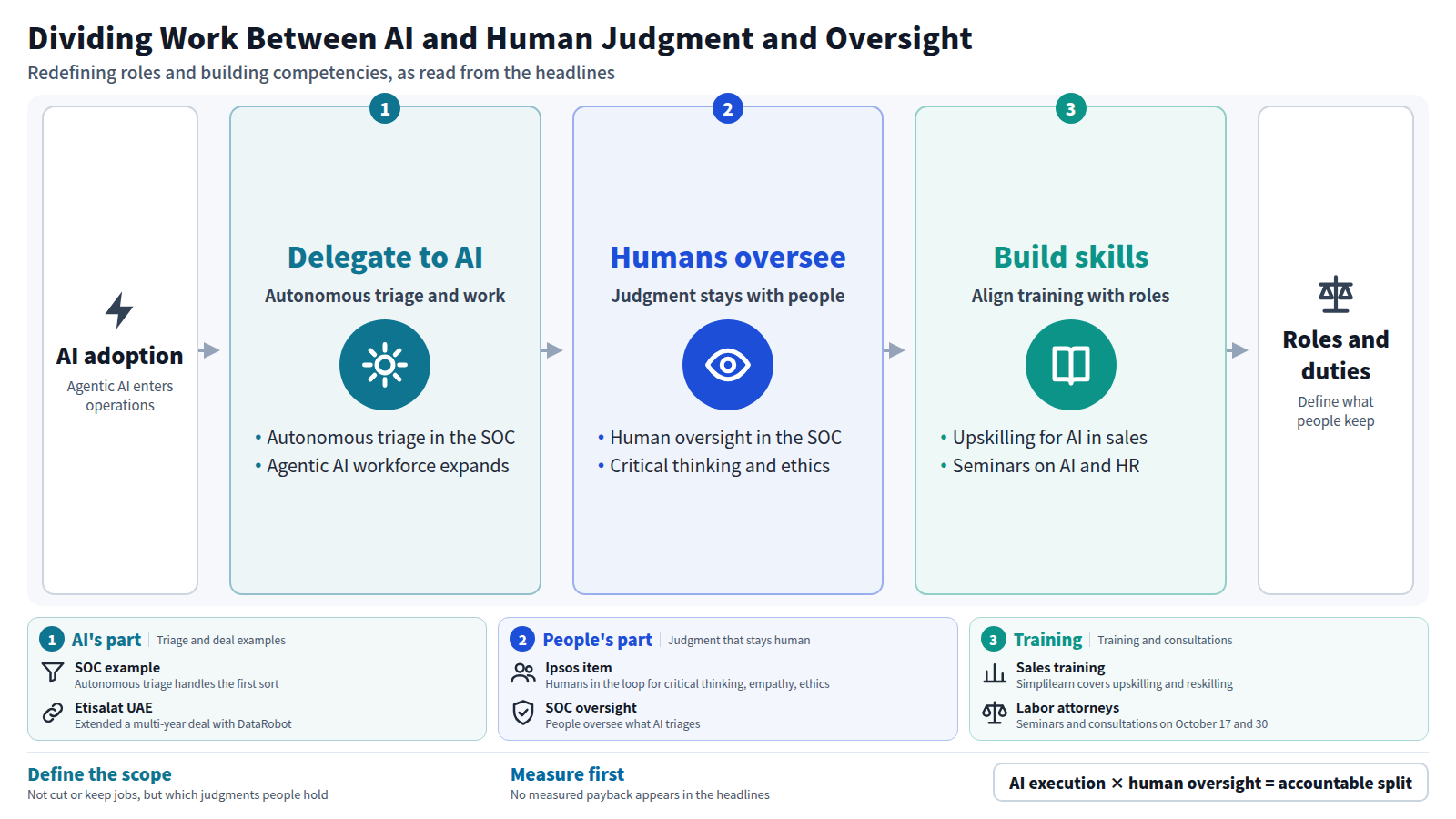
However, the movement on the ground is not just in the direction of reduction. At the Security Operations Center (SOC), AI is responsible for the initial screening, with human supervision. Security Boulevard depicts a day in the life of a threat analyst at an autonomous SOC as a human examines and makes decisions based on the results sorted by AI. Analysts' jobs haven't disappeared; they've moved from reading tons of alerts themselves to reviewing AI filters and responding to exceptions. If the job title remains the same but the content changes, the magnitude of the change cannot be measured solely by the increase or decrease in the number of people.
The way people express their value is also being reconsidered. Forbes JAPAN discussed the human abilities that will become more valuable in the age of AI, from the standpoint that we should stop calling them "soft skills." In addition, the Bipartisan Policy Center in the United States has focused on the impact of AI on the nursing care workforce, stating that it is necessary to discuss the impact of introducing AI even in occupations that have traditionally been supported by humans. Both questions reconsider the boundaries between tasks that will be replaced by AI and tasks that will remain on the human side.