AI response and verification gap
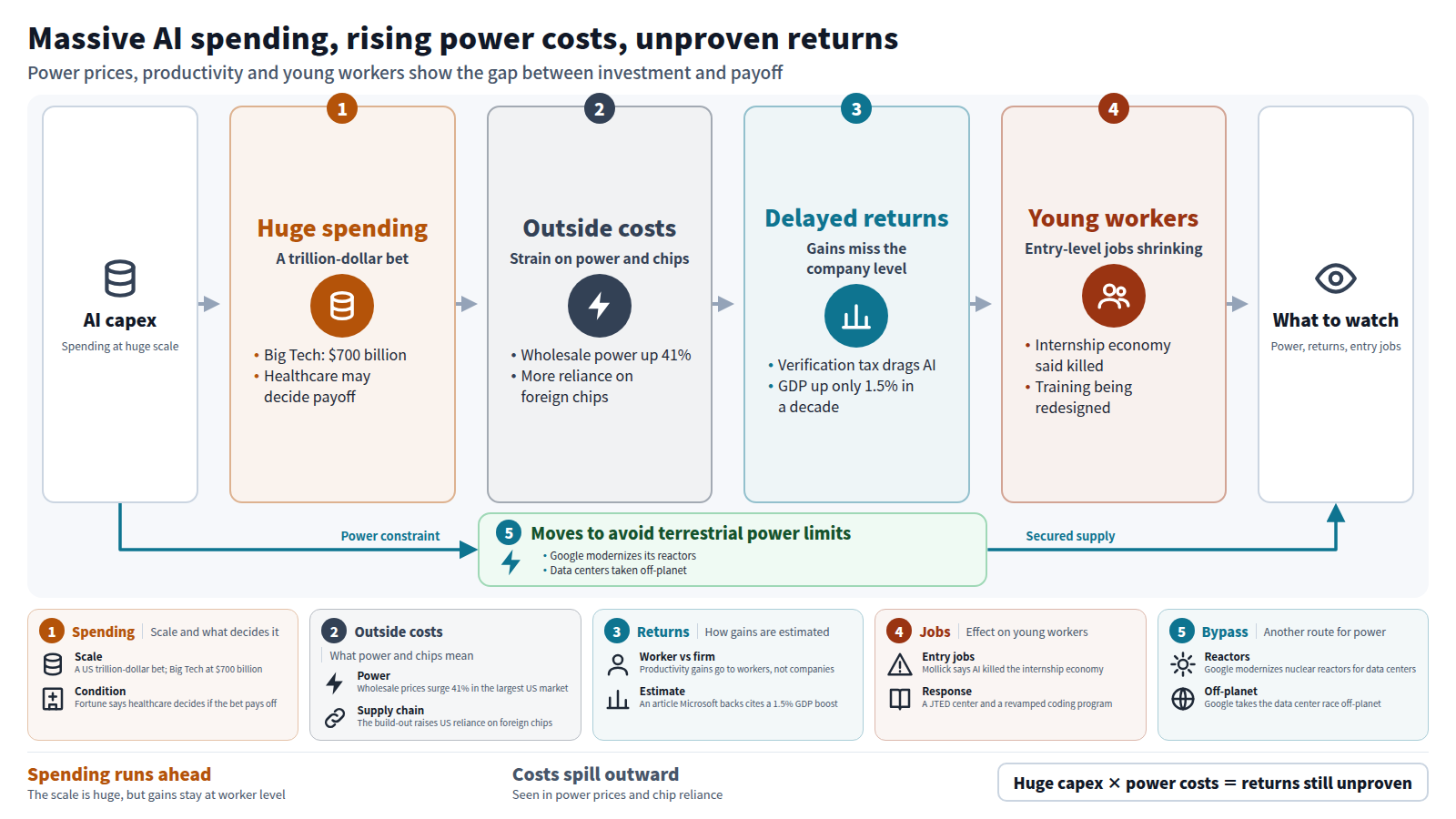
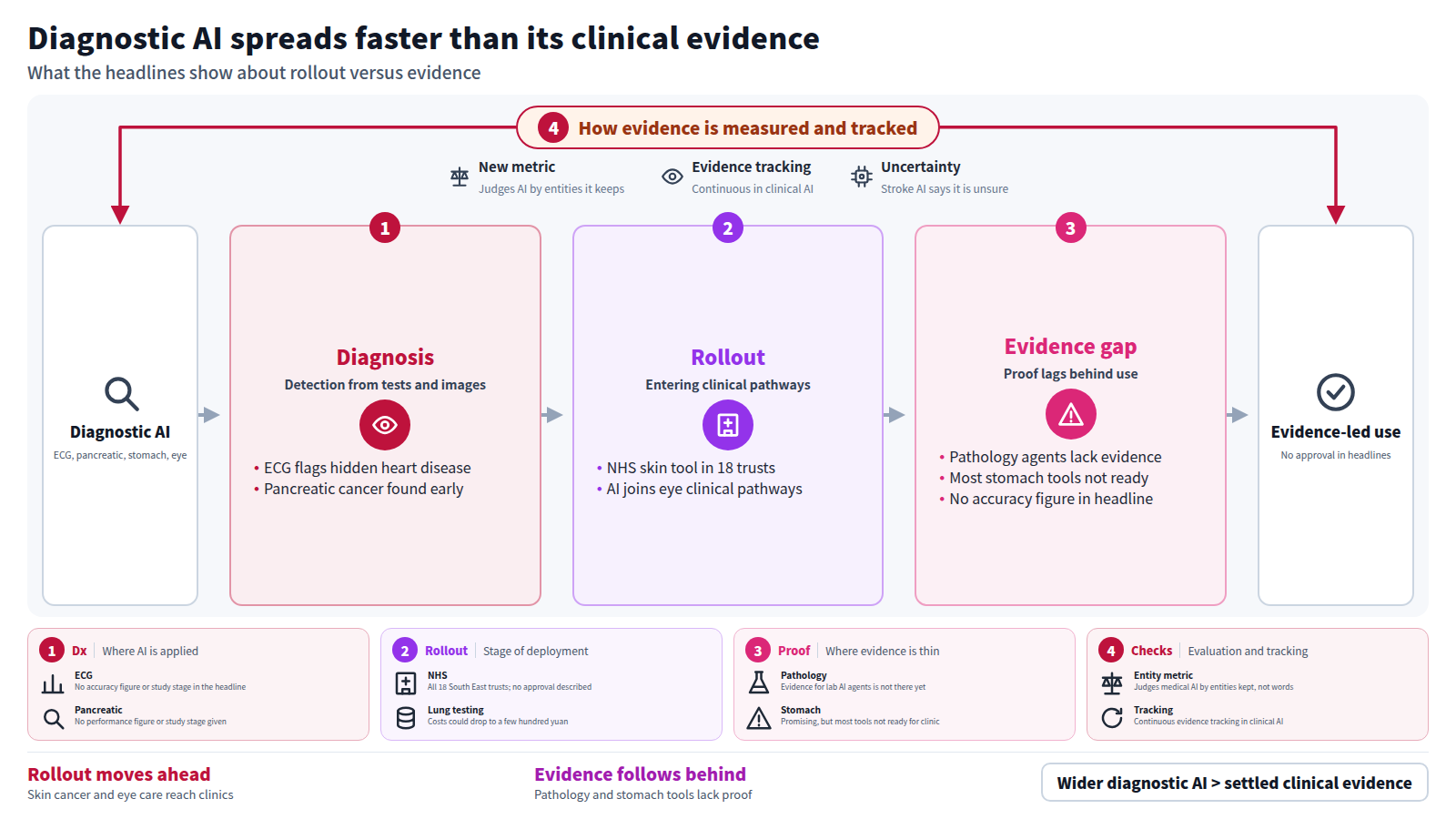
U.S. economic growth, supported by AI-related investment and demand, coincided with Oracle's layoffs. Strong demand and fewer people are the result of a single investment. On the other hand, in imaging diagnostics, research is competing for accuracy in areas such as the breast, liver, and brain, and the basis for AI decisions in operating rooms and nursing care settings is beginning to be directly linked to human safety. The introduction of the system is progressing, and the numbers showing the results are increasing, but it is not clear from the headline of the article to what extent these numbers are being verified or who is responsible for checking them. The reports gathered over the past half day indicate that we have entered a phase where decisions about how far to entrust AI are determined not by the size of the results, but by how much verification has been done.
A US bank's investment manager has pointed out that the US economy is dependent on AI (The Dark Side Of The Boom). The view is that while AI-related investment and demand are supporting growth, support from other fields is correspondingly weak. Around the same time, an article appeared (Times Now) discussing the pros and cons of Oracle's personnel cuts from the perspective of the responsibilities of the "landlord" who lends infrastructure in the age of AI. Strong demand and a decline in the number of people are not separate issues, but are two sides of the same coin. On the field side, Gal Limon, founder of Centrical, talks about managing field personnel using AI (Pulse 2.0). If AI is responsible for managing deployment and operation, introducing AI will not only reduce the number of people, but also reorganize the management method itself.
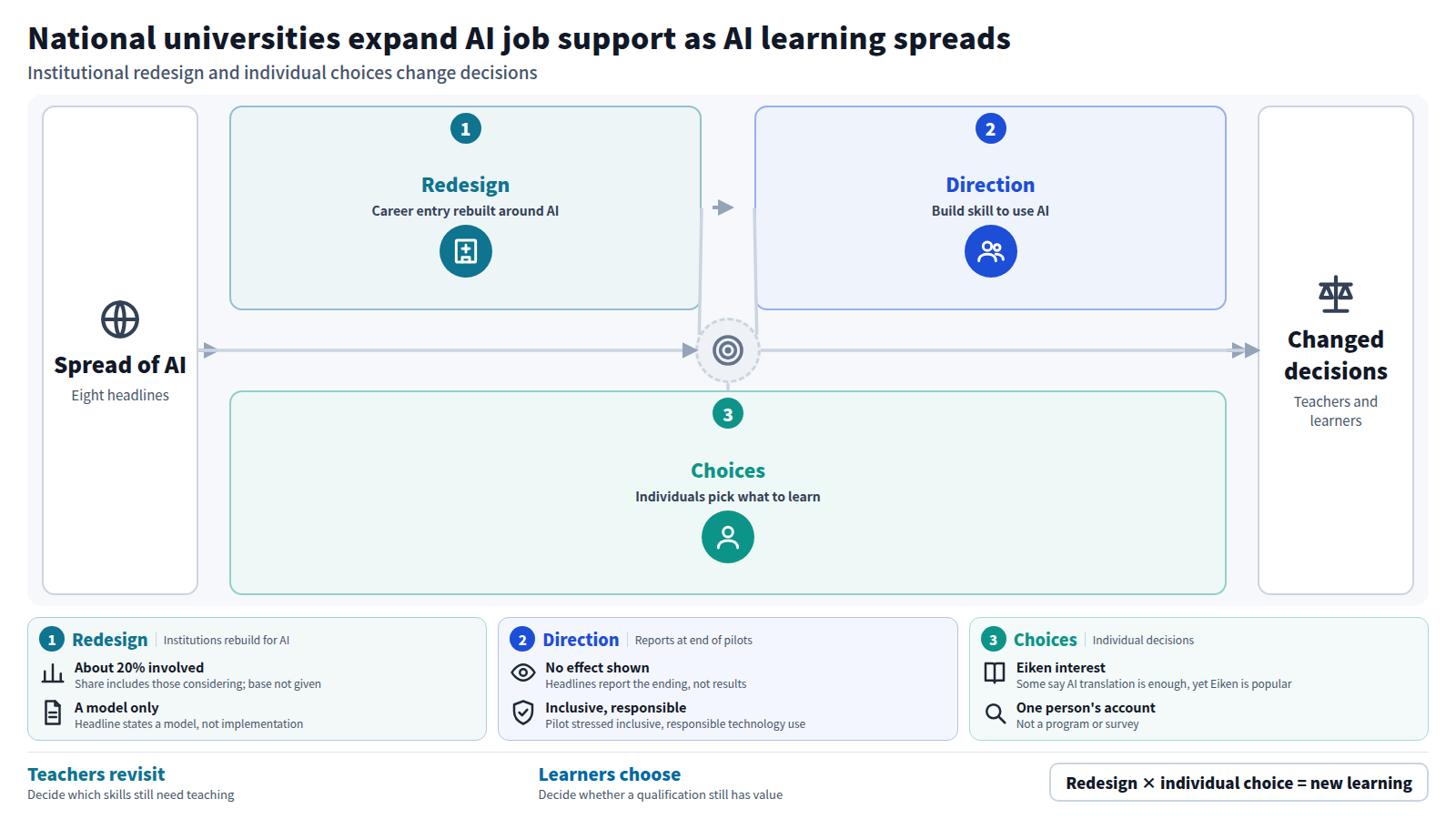
There are also moves to reorganize training and operations. It was reported that Job Corps in the United States is making a comeback with a focus on vocational training, which is said to be difficult to replace by AI (Wyoming Public Media). This is an example of reselecting the content of training based on the premise of jobs that will be replaced by AI. In marketing, industry media has introduced how marketers are using AI today (Precision Farming Dealer). Rather than jobs disappearing, it seems that the distribution of work within the same occupation is changing. As for industry-specific developments, Beijing Haizhi and Jointown have entered into an AI partnership to advance the sophistication of pharmaceutical distribution (The Globe and Mail). Even in fields such as distribution, which involve a large number of goods and procedures, a movement has begun to incorporate AI into operations through partnerships.
When you put these things side by side, there are two points to look at. One is that if the returns to growth are biased towards AI, employment and investment will depend on whether that demand continues. Another issue is that personnel reductions, on-site management, training, and reassignment of work are proceeding at the same time in different locations. The materials presented here are mainly statements and announcements of alliances, and are not numbers that measure the actual status of replacement. Therefore, before making decisions about introduction or hiring based on the strength of demand, it is necessary to check on a site-by-site basis to see which jobs will be replaced and how.