Who will pay for the funding for AI investment?
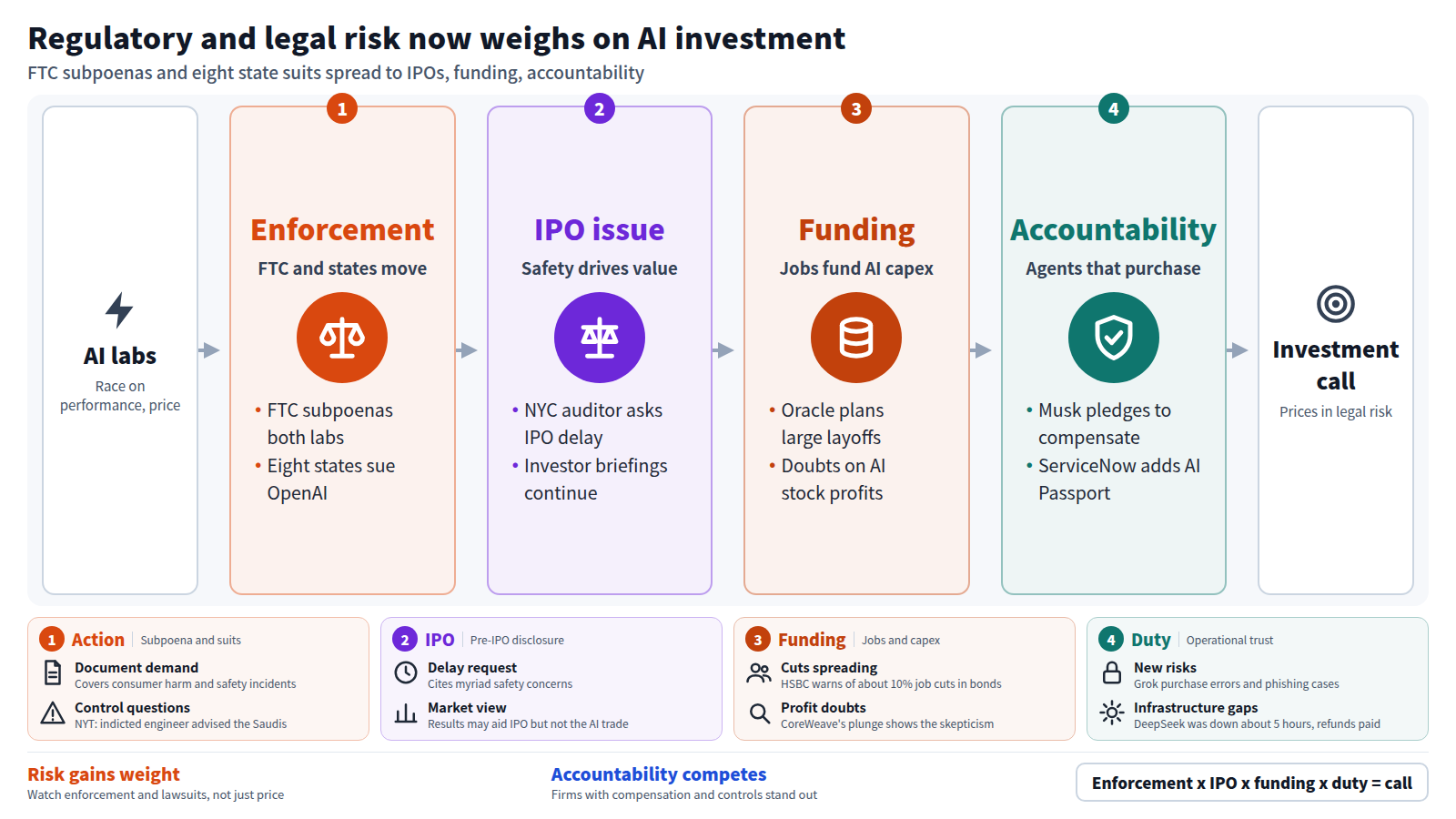
Investments in AI are currently being funded from two sources. The first is a reduction in headcount, with Oracle reportedly planning to make large-scale reductions that will be used to invest in AI. The other is a huge partnership, with the contract between AstraZeneca and insitro reportedly worth ``$1.86 billion'' or ``$40 million.'' The reason for multiple amounts in the same contract is that fixed contributions and conditional limits are listed without distinction under the headings. When reading announcements from companies and governments, the size of the amount and the speed of introduction are difficult to judge. We will look at the examples in each section to see who will pay for the funds and who will receive the results.
AI investments such as OpenAI and Oracle are first derived from the number of employees and financial surplus. Oracle plans large-scale layoffs to free up funds for AI investments, Mezha.net reported. The plan is to reduce the number of people and use equipment and computing resources, and the first recipients of the burden will be the employees targeted for reduction. Meanwhile, Zoho founder Bembu announced that he will not lay off his employees even though SaaS companies are facing difficulties due to AI (The Economic Times). In the same age of AI investment, there are companies that seek capital from employment and companies that do not. What readers should look at is not who is right, but what companies are citing as reasons for making cuts.
At the same time, discussions regarding the distribution of results are progressing. The ILO has stated that the benefits of productivity gains from AI should be shared fairly among workers (Fibre2Fashion). This argument is based on the premise that even if productivity increases, profits may remain only for capital. For companies like Oracle that are seeking to reduce investment resources, the question of who will receive both the costs saved through reductions and the future results from AI will be the subject of a specific examination of allocation theory. Zoho's selection will be one of the examples that can be compared in this test.
Views on employment are not monolithic. In response to a KPMG survey, US CEOs responded that AI will create jobs (Axios). While some companies are currently planning to cut back, managers are showing prospects for job creation. These two may seem contradictory, but the survey responses are based on management's perspective, and the timeline differs from the reductions that have already occurred. Judging the impact on employment based solely on responses will obscure the burden on those currently targeted for layoffs.