A new poster for OpenAI movie 'Artificial' calls out AI slop in the most human way possible
Neon's Artificial poster hides a sinking bridge, an upside-down plane and other details designed to look like AI errors.
Read the original →Every story in this issue with a short summary, so you can decide what to read before leaving the site. Summaries are written by AI (Claude) only from each publisher's own description and checked by Jev for anything not in that description. They are not full translations. Follow "Read the original" for the full story.
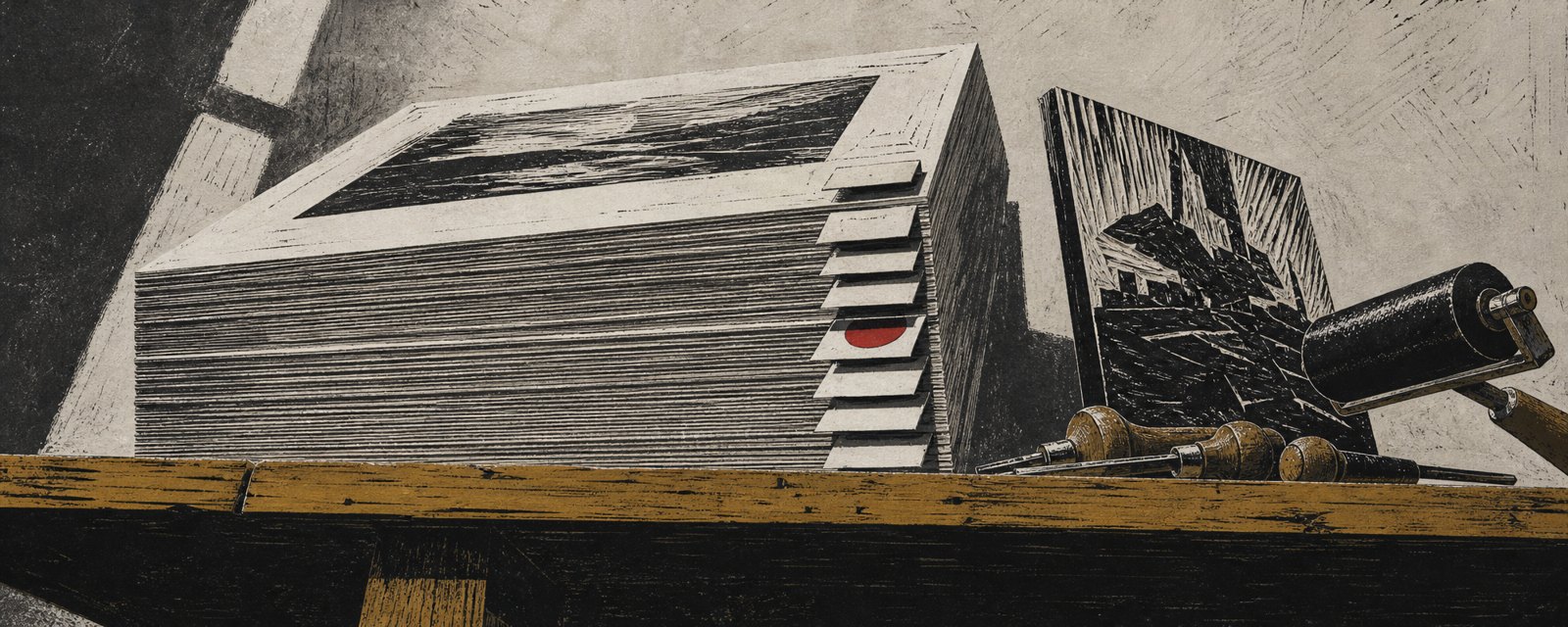
Neon's Artificial poster hides a sinking bridge, an upside-down plane and other details designed to look like AI errors.
Read the original →AI-powered forecasting and optimization tools can help artists and promoters build more profitable tours.
Read the original →ShiftUp, the studio behind the Stellar Blade franchise, has been open about using generative AI for its games and promotional material. A recent Stellar Blade: Blood Rain music video drew substantial online backlash for being AI-generated. The studio's CEO has now responded.
Read the original →A new Deezer survey finds that 41% of listeners want to filter out AI music. Research from UMG suggests that the number is higher.
Read the original →The article compares AI music video generators for Suno artists in 2026, including BeatViz, Suno Visuals, Runway, Luma and Pika. The comparison covers lip sync and pricing.
Read the original →Buchwald has signed the estate of stand-up comedian Sam Kinison, along with an AI avatar modeled after him. The aim is to develop new business opportunities.
Read the original →The University of Richmond's Distant Viewing Lab has released DataReel, a new open access, AI-powered tool. It helps researchers analyze films.
Read the original →The new documentary "Don Bluth: Somewhere Out There" explores his life and works. Mashable asked him about the future of animation.
Read the original →New criminal penalties slated for rogue AI tools could extend to flaws in the design of the models. The rules have been proposed by the Albanese government.
Read the original →Ben Feder spoke about how generative AI will allow teams to make major decisions without having to worry about wasted time and resources.
Read the original →Even Rockstar developers fear layoffs, as GTA 6 rakes in billions of dollars.
Read the original →The center is located in the Valleyfield region.
Read the original →Financial regulators, central bankers and banking executives called for stronger oversight of autonomous AI in financial services, stressing clear accountability, traceable decision-making and real-time safeguards. Discussions at the Singapore FinTech Festival highlighted the need to restrict agents' authority, monitor their behavior and ensure human intervention when systems exceed their mandates. Speakers also warned that legacy banking infrastructure, delayed data access and concentration among technology providers could undermine effective controls.
Read the original →Nobody could say what an AI-driven future would look like. The message, more or less, was to learn more about AI just in case.
Read the original →Canva is introducing AI controls intended to give creators more flexibility and streamline the design process. The new features are described as enabling personalized creativity and efficiency in projects.
Read the original →Dentsu and Tokyo University of the Arts signed a joint research agreement on AI and art on November 5. They will work at a new creative base, "Art Base / There Is No Coincidence," opened in Higashikanda, Chiyoda Ward, Tokyo. The research will use AI to explore expanded expression in three areas: painting, music and society.
Read the original →The description says an era has arrived in which people can give shape to their imagination using Adobe and AI. It adds that now may be the best time to aim to become a creator.
Read the original →On November 20, 2026, TikTok said that users can upload an image or video to check whether it was generated or edited with TikTok's AI creation features.
Read the original →77.5% of US video editors use AI in some form in post-production. The figure comes from a survey of 120 members of the American Cinema Editors by Avid Technology, maker of standard editing software.
Read the original →