Work redesign and mental boundaries

Before AI manifests itself in the numbers of layoffs, it is manifesting itself in the design of jobs, the way we delegate decisions, and the demarcation of humanity. Tech.co doesn't see any mass layoffs yet, but Statkraft has shed 944 full-time jobs and positions AI to create room for growth. Even if the overall statistics are not changing, individual organizations are already reorganizing the number and content of jobs. The explanation methods of reinforcement learning, the evaluation of proactive AI, mental health counseling centers, and statements regarding consciousness and rights all come from the same premise, although the situations are different. Rather than deciding what AI can do, we are now deciding what to leave to machines and what to leave to humans. In each of the following sections, we will look at how to determine this in order from five situations: duties, judgment, daily life, delineation, and implementation.
Tech.co believes that AI has yet to cause mass layoffs. However, the same media reports that this possibility remains in the future. On the other hand, the shape of the organization is already in motion. According to EnergyWatch, Statkraft will eliminate 944 full-time jobs and AI will create room for growth. The fact that mass reductions are not occurring and the number and composition of jobs in individual organizations are beginning to change are both true. This change is difficult to see if you only look at overall unemployment statistics.
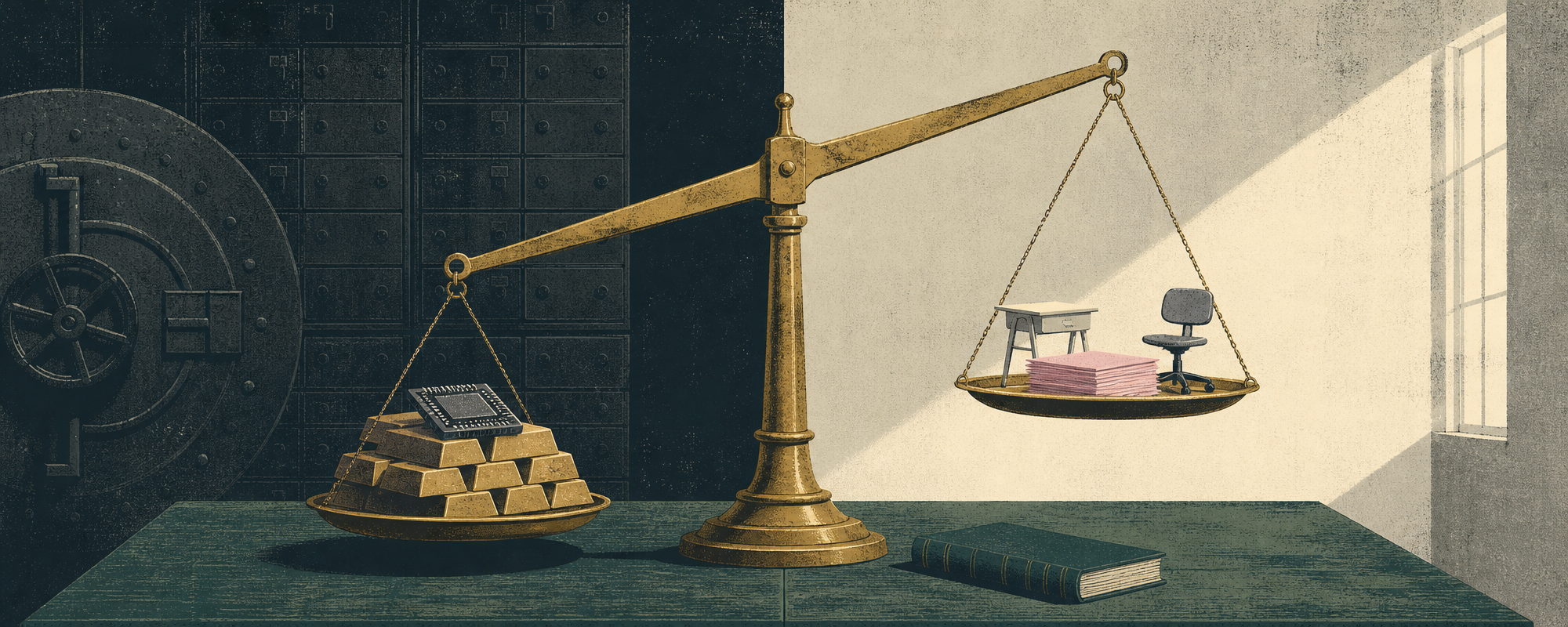
So what is the question? ETHRWorld.com points out that AI will change not only tasks but jobs themselves, calling for a redesign of jobs. Redesign here does not mean reducing the number of people. This involves reorganizing which processes in a given job should be handed over to machines and which decisions should be left to humans. Yahoo Finance highlights the AI skills that non-technical workers should learn now in an age of AI adoption. Even people who are not developers are starting to be required to have the ability to discern the scope of what should be entrusted to machines.
Another perspective is to look at the impact on the economy as a whole. The Atlantic argues that the US cannot survive an AI recession. Here, the greater the expectations for AI, the greater the repercussions will be if those assumptions are violated. Individual job design and the fragility of the economy as a whole seem to be two different stories, but both come down to the same question: ``To what extent should we rely on AI?''