The people and responsibilities behind the introduction of AI
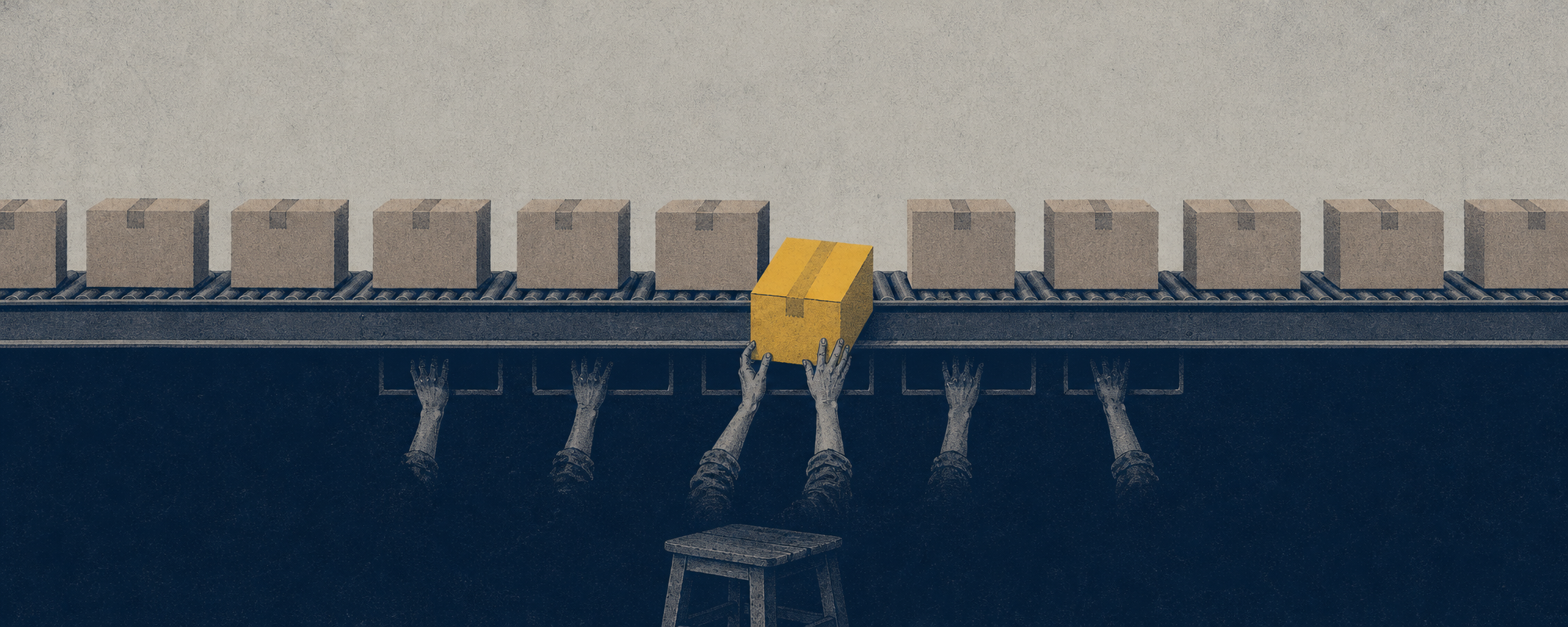
The introduction of AI is often talked about as a story of efficiency, such as faster processing and less manpower. However, when we look at the scene, a different picture emerges. At EA, there are testimonies that some employees were pressured to use AI after being fired, and there are reports that human workers are filling in the gaps when AI agents fail. The number of processed items displayed on the screen does not include this additional work. The burden has shifted to employment, on-site personnel, securing human resources, and where responsibility lies, but it is difficult to see where the burden is placed in the results of implementation. In each of the following sections, we will examine the distribution in the following order: people and investment, field relationships, responsibility and regulation, demonstration and verification, and the yardstick for agent research.
An EA employee told gaming industry media Vertical Slice that he was pressured to use AI after being fired (NeoTeo). In a workplace where the number of people has been reduced, the role of mastering AI has been added to the remaining people. There are similar reports regarding AI agents. When the agent fails, human workers fill in the gaps behind the scenes (The Tech Buzz). The results of automation are visible in the number of processes processed on the screen, but the work of the people who pick up mistakes is not. When measuring the effects of implementation, it is necessary to check not only the number of cases completed automatically, but also the number of cases completed manually and who is responsible for the completion.
The movement of personnel is not just a matter of those implementing AI. A major US IT company has announced AI-related personnel cuts, and training providers are being asked to make proposals based on this (AICERTs). Reductions create demand for training, the cost of which is borne by the individuals who have been retrenched or by the receiving companies. Meanwhile, the University of Phoenix released a white paper summarizing the local AI talent shortage and retention measures (PR Newswire). At the same time that some companies are reducing staff, there are regions that are unable to secure human resources. Even though those who let go of human resources and those who are looking for them are in the same market, they do not overlap. If you do not include the cost of recruiting and retaining human resources in your implementation plan, you are only looking at one side of the efficiency calculation.
The financial burden is also on the financial side. Yahoo Finance highlighted three bank stocks that are supporting the AI data center investment boom. Huge capital investments are supported not only by operating companies' cash reserves but also by loans from financial institutions. The Atlantic discusses "What the economy is sacrificing for AI," asking what the shift toward AI is costing the economy as a whole. The same implementation plan is supported by the labor of people in the field and by the funds of lenders in the financial sector.